
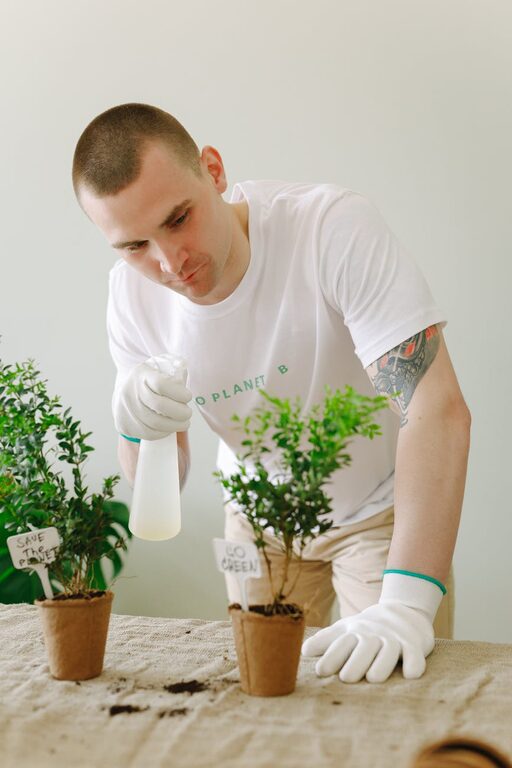
Creating an eco-friendly home garden is a wonderful way to connect with nature, reduce your environmental impact, and enjoy fresh, homegrown produce. Whether you have a spacious yard or a small balcony, you can implement sustainable gardening practices that conserve resources and support local ecosystems. This guide offers practical tips to help you create a garden that’s good for both you and the planet.
Why Choose an Eco-Friendly Garden?
An eco-friendly garden focuses on sustainability and environmental health. It reduces waste, minimizes pollution, and encourages biodiversity. By designing and maintaining your garden with these principles, you:
– Conserve water and energy
– Promote healthy soil and natural pest control
– Support pollinators and local wildlife
– Avoid harmful chemicals
– Create a resilient, self-sustaining green space
Planning Your Eco-Friendly Garden
Before planting, thoughtful planning will help you make the most of your space while minimizing waste.
Choose Native and Adapted Plants
Native plants are naturally suited to your region’s climate and soil. They require less water, fertilizer, and pesticides, making them eco-friendly choices. Additionally, native plants provide food and shelter for local birds, bees, and butterflies.
If native plants are limited, select varieties adapted to your local conditions. Talk to your local garden center or extension office for advice on the best options.
Consider Plant Diversity
A diverse garden with various plant species encourages a balanced ecosystem. It helps prevent pest outbreaks and attracts beneficial insects, such as ladybugs and pollinators. Mix flowering plants, herbs, vegetables, and shrubs for a healthy garden environment.
Plan for Efficient Water Use
Design your garden layout to reduce water waste. Group plants with similar water needs together. Place drought-tolerant plants in sunnier, drier areas. Consider installing rain barrels or other rainwater harvesting systems to collect water naturally.
Soil Health and Composting
Healthy soil is the foundation of an eco-friendly garden.
Build Nutrient-Rich Soil
Avoid chemical fertilizers and instead enrich your soil with organic matter. Compost made from kitchen scraps, garden waste, and shredded leaves adds nutrients and improves soil structure. This promotes strong plant growth and better water retention.
Start Composting at Home
Composting is a simple, eco-friendly way to reduce waste and create natural fertilizer. You can start with a small bin or pile, adding fruit and vegetable scraps, coffee grounds, eggshells, and yard trimmings. Avoid meat, dairy, and oily foods to prevent pests.
Turn or aerate your compost regularly to speed decomposition. Finished compost can be mixed into your garden beds or used as mulch.
Use Mulch to Conserve Moisture
Applying a layer of organic mulch around plants helps retain soil moisture, suppress weeds, and regulate temperature. Materials like wood chips, straw, or shredded leaves work well.
Water Conservation Techniques
Water is a precious resource, especially when gardening.
Water Smartly and Early
Water your garden in the early morning or late evening to reduce evaporation. Use a watering can or drip irrigation system for precise watering that targets plant roots while minimizing waste.
Collect Rainwater
Set up rain barrels to capture runoff from roofs. This free, natural water source can be used during dry periods, reducing your reliance on tap water.
Use Greywater When Possible
Greywater from sinks, showers, or laundry (without harmful chemicals) can be recycled to irrigate plants. Check local regulations and guidelines before using greywater to ensure it’s done safely.
Natural Pest Control Methods
Avoid chemical pesticides that can harm beneficial insects, pets, and people.
Encourage Beneficial Insects
Plant flowers like marigolds, sunflowers, and lavender to attract pollinators and predatory insects that eat pests.
Manual Pest Removal
Inspect plants regularly and remove pests by hand or spray them off with water in small infestations.
Use Natural Repellents
Companion planting (e.g., pairing basil with tomatoes) can deter harmful insects. Homemade sprays with garlic, neem oil, or insecticidal soap are eco-friendly options for managing pests.
Additional Sustainable Practices
Save Seeds and Propagate Plants
Collect seeds from mature plants to grow new ones, saving money and maintaining genetic diversity. You can also propagate certain plants by cuttings or division.
Choose Recycled and Sustainable Materials
Use reclaimed wood, recycled pots, or eco-friendly tools to reduce waste and environmental impact.
Create Wildlife-Friendly Habitats
Incorporate features such as bird feeders, bat houses, or ponds to support local wildlife and improve biodiversity.
Conclusion
Creating an eco-friendly home garden is a rewarding way to nurture the environment and enjoy fresh, healthy plants. By choosing native species, improving soil health, conserving water, and using natural pest controls, you can build a sustainable garden that thrives season after season. Start small, stay patient, and watch your green space become a vibrant ecosystem that benefits your home and the planet.