
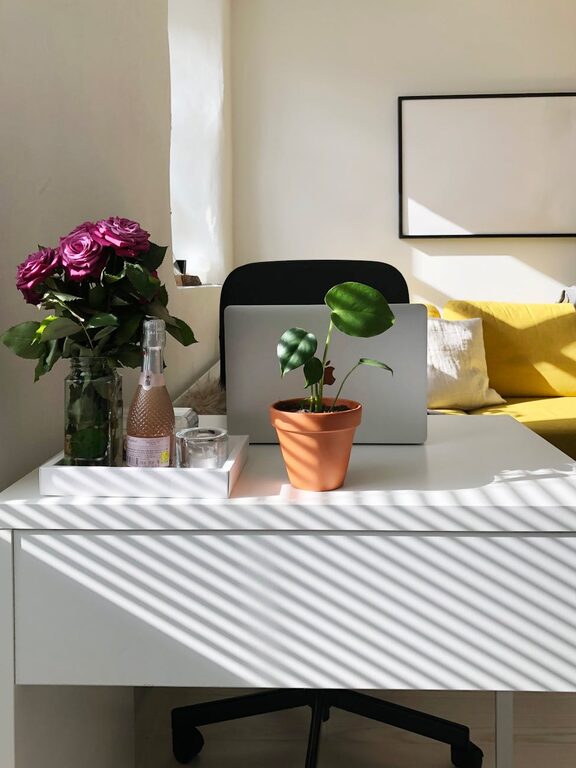
Creating a home office that balances comfort with productivity can significantly enhance your work-from-home experience. Whether you’re a remote professional, freelancer, or a student, having a dedicated space where you can focus and feel at ease is essential. Here are some practical tips to help you craft a cozy and productive home office space.
Choose the Right Location
Finding the ideal spot is the first step to setting up your home office. Consider the following:
– Natural Light: Select a room or corner with ample natural light. Exposure to sunlight can boost your mood and energy.
– Quiet Environment: Pick a place with minimal distractions and noise.
– Space: Ensure you have enough room for your desk, chair, and storage without feeling cramped.
If a separate room isn’t available, even a small nook in your living room or bedroom can work with good planning.
Invest in Comfortable and Functional Furniture
Your furniture plays a crucial role in both comfort and productivity.
– Ergonomic Chair: Choose a chair that supports your back and encourages good posture. Adjustable chairs allow customization for your body.
– Desk Size and Height: Pick a desk large enough for your computer, accessories, and paperwork. Make sure its height suits you to avoid strain.
– Standing Desks: Consider adjustable standing desks to alternate between sitting and standing for better health.
Adding a footrest or a small cushion can enhance comfort further.
Optimize Lighting
Proper lighting reduces eye strain while helping you stay alert.
– Task Lighting: Use a desk lamp with adjustable brightness and direction for focused work.
– Ambient Lighting: Soft overhead lighting creates a welcoming atmosphere.
– Reduce Glare: Position your monitor perpendicular to windows to avoid glare and reflections.
Adjust the color temperature of your lights if possible; natural daylight bulbs help keep you energized.
Keep Your Workspace Organized
An organized space promotes concentration and reduces stress.
– Declutter Regularly: Keep only essential items on your desk.
– Storage Solutions: Use shelves, filing cabinets, or trays to keep documents and supplies orderly.
– Cable Management: Use cable organizers or clips to avoid tangled cords.
Labeling files and folders can also make retrieval faster.
Personalize Your Space
Adding personal touches makes your office feel inviting and unique.
– Decor: Include artwork, plants, or decorative objects that make you smile.
– Color Scheme: Use colors that inspire you or make you feel calm, like soft blues, greens, or warm neutrals.
– Comfort Items: Add a cozy throw blanket, a cushion, or a scented candle to increase your comfort.
Personalization should enhance rather than distract from your work.
Incorporate Technology Wisely
Equip your home office with the right tech tools.
– Reliable Internet: Ensure your internet connection is stable and fast enough for video calls or cloud work.
– Essential Devices: A good computer, keyboard, mouse, and printer/scanner if needed.
– Software: Use productivity apps that help with task management, note-taking, or time tracking.
Minimize notifications or distractions on your computer during work hours.
Establish Clear Boundaries
Maintaining a work-life balance is easier when your office is separate.
– Dedicated Work Hours: Set and stick to a schedule.
– Separate Work from Leisure: When your workday ends, close your laptop and leave your workspace.
– Communicate Boundaries: Let family or roommates know your work hours and when not to disturb you.
Creating physical and mental boundaries helps maintain focus.
Take Breaks and Move Around
Even in the most comfortable office, sitting too long can cause fatigue.
– Schedule Breaks: Use techniques like the Pomodoro method (25 minutes work, 5 minutes break) to stay refreshed.
– Stretch or Walk: Use breaks to stretch or step outside briefly.
– Hydrate and Snack: Keep water and healthy snacks nearby to stay energized.
Moving regularly boosts creativity and reduces physical strain.
Keep it Clean and Fresh
A tidy and pleasant-smelling space enhances comfort.
– Regular Cleaning: Dust surfaces and vacuum floors to reduce allergens.
– Air Quality: Open windows when possible or use an air purifier.
– Plants: Aside from decoration, plants improve air quality and create a relaxing atmosphere.
Freshness keeps your environment inviting and healthy.
—
By thoughtfully designing your home office using these tips, you can create a space that supports your productivity while making you feel cozy and comfortable. Remember, the best workspace reflects your needs and preferences, so tailor these suggestions to fit your style and routines. Happy working!